By Muriel Bristol | June 15, 2025
Caleb Wingate was born in Rochester, NH, April 3, 1769, son of John and Elizabeth (Cushing) Wingate.
Father John Wingate died in Madbury, NH, March 15, 1776.
It does not appear that any settlement was made east of the West Branch river prior to about 1785 or 1786, and among the earlier settlers there may be named, among others, Reuben Jones, Paul Jewett, Amos Witham, the Berrys, the Millers, Ephraim Twombly, Paul Wentworth, Caleb Wingate, David Coursan, John McDuffee, and soon after, Hatwell Nutter, Thomas Applebee, William Applebee, John Hart, John Remick, Jr., Jonathan Dearborn, Joseph Dearborn, and many others (Scales, 1914).
Caleb Wingate was one of thirty-two Strafford County inhabitants that petitioned the NH Governor and Executive Council, December 17, 1789, remonstrating against a competing petition that sought to remove the Honble George Frost, Esqr, from his position as a Justice on the Strafford County Inferior Court of Common Pleas.
... we beg leave to Suggest to your Honours that as far as we have had Opportunity to Observe his conduct in said Office he has Acted Impartially, and we believe his removal will not be for the benefit of the County.
Caleb Wingate headed a Rochester, NH, household at the time of the First (1790) Federal Census. His household included one male aged 16-plus [himself]. His household appeared in the enumeration between those of John Hanson and David Horne. (See Northeast Parish in the First (1790) Federal Census).
Caleb Wingate married in Rochester, NH, October 31, 1799, Elizabeth “Betsy” Palmer, both of Rochester, NH. Rev. Asa Piper performed the ceremony. She was born in Wakefield, NH, September 28, 1783, daughter of William and Susanna (Twombly) Palmer.
(The known children of Caleb and Elizabeth (Palmer) Wingate were: Susan Twombly Wingate (1802-1870), Nancy Palmer Wingate (1804–1897), Caleb Cushing Wingate (1806-1881), Elizabeth “Eliza” Cushing Wingate (1807-1889), William Palmer Wingate (1809–1895), Charles Dillamore Wingate (1811-1891), George Washington Wingate (1815–1878), John Jay Wingate (1816-1893), Harriet Newell Wingate (1818-1906), Aaron M. Wingate (1820-1894), Daniel P. Wingate (1822–1884), Deborah Hayes Wingate (1824-1915), Richard Pike Wingate (1827-1898), Amos Tappan Wingate (1829–1831)).
Caleb Wingate headed a Rochester, NH, household at the time of the Second (1800) Federal Census. His household included one male aged 26-44 years [himself], one female aged 26-44 years, two females aged 16-25 years, and one male aged 10-5 years. (See Northeast Parish in the Second (1800) Federal Census).
Daughter Susan Twombly Wingate was born in Wakefield, NH, April 24, 1802. She was a namesake for her maternal grandmother.
 Caleb Wingate, as well as his father-in-law, William Palmer, and his brother-in-law, Isaac Hayes, signed the Rochester division petition of May 28, 1802.
Contracting for the construction of the Milton Town House, took place on July 4, 1803. Caleb Wingate submitted the winning bid of $398 for the framing work specified in Article One of the Meeting House project. Gilman Jewett submitted the winning bid of $680 for the Article Two work, and Capt. Daniel Hayes submitted the winning bid of $940 for the Article Three work. The whole was contracted for $2,018.
 Milton’s First Meeting House. The two storied old fashioned meetinghouses, with their “sheep pen” pews, free benches, deacon pews, (close to the high pulpit,) and the pendant sounding board over the pulpit, galleries upon three sides, and from one to three porticoes upon the outside, were temples much desired by the early settlers of our towns, The North East Parish of Rochester was incorporated as Milton, June 11, 1802, and March 10, 1806, John Fish, Gilman Jewett and Beard Plumer, settled their two or three years’ old accounts as building committee for Milton’s first meeting house, (now cutdown into a town house). The cost was $2,368.38, including 25 for each of said committee for services. Ten gallons of rum, costing $11.67, was considered necessary at the raising of the noble frame. Here are some of the items.
Paid Aaron Downs for lot, $26; [paid] Caleb Wingate for frame put up, $408; [paid] Capt. Daniel Hayes for work and interest, $1056.27; [paid] Gilman Jewett for work and interest, 763.34.
Pews upon ground floor sold from $100 to $30 Gallery pews from $11 to $24 1/4. William Palmer, John Remick, John Fish and Ezekiel Hayes were selectmen from 1802 to 1806, only three at a time. It was an excellent house, beautifully located. J.D.L. Exeter (Dover Enquirer, March 25, 1880).
Daughter Nancy Palmer Wingate was born in Milton, February 27, 1804.
James C. Hayes, Caleb Wingate, and Benjn Miller were one of nine Milton district school committees in 1804. (See Milton School Committees – 1804).
A Town Meeting was held at the house of Gilman Jewett, innholder, May 7, 1804. The Article One framing contractor, Caleb Wingate, had requested that the Town “allow him a reasonable compensation for his faithful & Extra Services in Erecting the Meeting House.” His request was “dismissed” by the assembled Town Meeting.
Caleb Wingate purchased Pew No. 6 in the newly-constructed Milton Town House, for $30, in 1804. It was situated on the east side of the ground floor, between those of John & David Wentworth, Pew No. 5, and Wm Lord, Pew No. 7. (See Milton Town House – 1804).
Son Caleb Cushing Wingate was born in Milton, February 26, 1806.
A Milton town committee delineated five Milton school districts in December 1806. One of them – No. 1 – contained Caleb Wingate. (See Milton School Districts – 1806).
Daughter Eliza Cushing Wingate was born in Milton, November 5, 1807. She was a namesake for her paternal grandmother. Son William Palmer Wingate was born in Milton, October 30, 1809. He was a namesake for his maternal grandfather.
Caleb Wingate was one of thirty-seven Strafford County inhabitants that petitioned the NH Governor and Executive Council, January 2, 1810, requesting appointment of Maj. Andrew Wentworth of Somersworth, NH, as replacement Strafford County Sheriff. Maj. Wentworth had been a NH State Representative, from Somersworth, NH, and militia officer as well as militia inspector. (See Strafford County Sheriff Petition – January 2, 1810). A competing petition sought instead reappointment of the incumbent, Sheriff James Carr. (See Strafford County Sheriff Petition – 1810).
Caleb Wingate headed a Milton household at the time of the Third (1810) Federal Census. His household included one male aged 26-44 years [himself], two females aged 16-25 years [Elizabeth (Palmer) Wingate], three females aged under-10 years [Susan T. Wingate, Nancy P. Wingate, and Eliza C. Wingate], two males aged under-10 years [Caleb C. Wingate and William P. Wingate], and one male aged 45-plus years. Their household appeared in the enumeration between those of John Remick and Nathl Hartshorne. (See Milton in the Third (1810) Federal Census).
Son Charles Dillamore Wingate was born in Milton, November 2, 1811.
Mother Elizabeth (Cushing) Wingate died in Dover, NH, in December 1811. Stepmother-in-law Deborah (Ham) Palmer died in 1813.
Caleb Wingate was among those that petitioned the NH General Court, in or around June 1814, seeking incorporation of the Milton Congregational Society. (See Milton Congregational Society Petition – 1814).
Father-in-law William Palmer made his last will, April 21, 1815. In it he appointed his sons Dodavah Palmer and William Palmer as joint executors, but added [son-in-law] Caleb Wingate as an additional executor in a codicil (Strafford County Probate, 14:127). (See Last Will of William Palmer, Esq. (1757-1815)).
Father-in-law William Palmer died in Milton, April 23, 1815, aged fifty-seven years, six months, and nine days. His last will was proved in a Strafford County Probate court held at Dover, NH, April 26, 1815 (Strafford County Probate, 14:127).
Son George Washington Wingate was born in Milton, December 18, 1815. Son John Jay Wingate was born in Milton in 1816.
Daughter Harriet Newell Wingate was born in Milton, March 26, 1818. Son Aaron M. Wingate was born in Milton, March 14, 1820.
Son William P. Wingate would later be said to have left Milton and moved to Sebec, ME, in 1822 (Bangor Commercial, April 6, 1895). He would have been aged about thirteen years of age. There is every indication that his parents and their whole family moved there with him at the same time.
Son Daniel P. Wingate was born in Sebec, ME, September 3, 1822.
Daughter Susan T. Wingate married in Sebec, ME, December 24, 1822, Samuel Palmer. He was born in Rochester, NH, December 2, 1798, son of Barnabas and Mary (Place) Palmer.
Commissioners’ Notice. THE subscribers, Commissioners appointed by the Hon. William D. Williamson, Judge of Probate for the County of Penobscot, to receive and examine the claims of the several creditors to the estate of Isaac Harding, late of Milo, in the County of Penobscot, Yeoman, deceased, hereby give notice that they will attend that service at the dwelling-house of William R. Lowney, Esq. in Sebec, on the last Saturdays of September, October and November next, from one to six of the clock in the afternoon of said days. CALEB WINGATE, WM. MORISON. August 13, 1824. 37* (Bangor Register (Bangor, ME), September 9, 1824).
Daughter Deborah Hayes Wingate was born in Sebec, ME, October 9, 1824. She was a namesake for her paternal aunt, Deborah (Wingate) Hayes. Son Richard Pike Wingate was born in Sebec, ME, June 16, 1827. Son Amos Tappan Wingate was born in Sebec, ME, December 21, 1829.
Caleb Wingate headed a Sebec, ME, household at the time of the Fifth (1830) Federal Census. His household included one male aged 60-69 years [himself], one female aged 40-49 years [Elizabeth (Palmer) Wingate], two females aged 20-29 years, one male aged 15-19 years, one male aged 10-14 years, one female aged 10-14 years, two males aged 5-9 years, one female aged 5-9 years, and two males aged under-5 years. Their household appeared in the enumeration between those of Joseph Case and Leonard Blood.
Son Amos Tappan Wingate was born in Sebec, ME, February 1, 1831.
Son Caleb C. Wingate married in Wiscasset, ME, September 1, 1832, Sarah B. Tappan. She was born in Newburyport, MA, August 31, 1812, daughter of Amos and Hannah (Boardman) Tappan.
MARRIED. In Wiscasset, Caleb C. Wingate to Miss Sarah B. Tappan, both of Bangor (Kennebec Journal (Augusta, ME), September 28, 1832).
Daughter-in-law Sarah B. (Tappan) Wingate died in Bangor, ME, December 9, 1833.
DIED. In Bangor, Mrs. Sarah B., wife of Caleb Wingate, 21 (Kennebec Journal (Augusta, ME), December 25, 1833).
Son Caleb C. Wingate appeared in the Bangor, ME, directory of 1834, as a yeoman, on Main [street], East Side.
Daughter Nancy P. (Wingate) Wingate married (1st), June 26, 1834, Benjamin E. Palmer. He was born in Brighton, ME, August 5, 1807, son of Dudley and Abigail (Pickering) Palmer.
Son William P. Wingate married, intentions filed in Newburyport, MA, July 21, 1836, Phoebe Cook. She was born in Newburyport, MA, June 12, 1813, daughter of Charles and Phoebe (Howell) Cook.
MARRIED. In Newburyport, Mr. William P. Wingate, of Bangor, to Miss Phebe, daughter of the late Capt. Charles Cook (Portland Presse Herald (Portland, ME), August 23, 1836).
Caleb Wingate was mentioned in a newspaper account of the remarkable longevity of his parents and siblings.
Mr. WADLEIGH, – The following very remarkable instances of longevity in one family are, I think, worthy of notice. T. Nov. 1, 1836.
The following nine persons are the children of the late JOHN WINGATE of Madbury and his wife ELIZABETH CUSHING, daughter of the late REV. JONATHAN CUSHING of Dover. These nine persons are all now living enjoying comfortable health. Elizabeth, widow of Joseph Hayes of Strafford, AE 90; Deborah, widow of Aaron Hayes of Dover, 88; Hannah Wingate of Weare, 85; John Wingate of ditto, 82; Mary, wife of Gen. Richard Furber of Farmington, 80; Jonathan Wingate of Parsonsfield, Me, 78, Abigail, widow of Ephraim Twombly of Sebec, Me., 76; Ebenezer Wingate of Wolfeborough, 69; Caleb Wingate of Sebec, Me., 67 [Total:] 715.
If the months which above exceed the years stated should be added, the average age of the nine will exceed 80 years. The family consisted but of eleven children, two of whom are deceased.
The eldest, DOROTHY, died about twelve years since aged 80 years. The ninth, CAPT. AARON WINGATE was lost at sea about forty years since, aged 35 years. It was accident not want of constitution that caused his death at that early age.
Mrs. ELIZABETH WINGATE, the mother of this family, died Dec. 1811, aged 85 years (Dover Enquirer, November 8, 1836).
Son-in-law Benjamin E. Palmer died in Lincoln, ME, October 16, 1838, aged thirty-four years.
DIED. In Lincoln, Benjamin Palmer, Esq., about 30 (Bangor Whig & Courier, November 12, 1838).
Daughter Eliza C. Wingate married in Sebec, Me, October 14, 1839, John A. Munsel, she of Sebec, ME, and he of Swanton, VT.
MARRIED. In Sebec, by Rev. J. Munsel of Brewer, Mr. John A. Munsel of Swanton, VT, to Eliza C., daughter of Caleb Wingate, Esq. (Bangor Daily Whig & Courier (Bangor, ME), October 19, 1839).
George W. Wingate married, circa 1840, Catherine E. Knight. She was born in Sebec, ME, May 22, 1814, daughter of George and Catherine (Sands) Knight.
Caleb Wingate headed a [Sebec,] Piscataquis County, ME, household at the the of the Sixth (1840) Federal Census. His household included one male aged 70-79 years [himself], one female, aged 50-59 years [Elizabeth (Palmer) Wingate], one ale aged 30-39 years, one female aged 30-39 years, one female aged 20-29 years, one male aged 15-19 years, one female aged 15-19 years, one male aged 10-14 years, one female aged 5-9 years, and two males aged under-5 years. Three members of his household were engaged in Agriculture. Their household appeared in the enumeration between those of Simon Lamper, and Charles V. Chase.
Son Charles D. Wingate was appointed to a Whig Piscataquis County committee, in July 1840. (In this context, the “Republican” friends meant Democrat-Republican or Democrat friends).
Our republican friends in Piscataquis have had a grand County Convention, and nominated CHARLES P. CHANDLER Esq. of Foxcroft as a candidate for county Treasurer. The following gentlemen were appointed a County Committee, for the current year – Leonard Stoddard, Charles D. Wingate, Caleb Prentiss, Jas. S. Holmes, Stephen Lowell, John How, H.G.O. Morison. We shall endeavor to publish the resolves on Monday (Bangor Daily Whig & Courier (Bangor, ME), July 25, 1840).
Son Charles D. Wingate married in Foxcroft, ME, June 13, 1841, Nancy Burns Greeley, he of Dover, ME, and she of Foxcroft, ME. Rev. Elias Wells performed the ceremony. She was born in Dover-Foxcroft, ME, September 27, 1821, daughter of Daniel and Sarah (Gibbs) Greeley.
MARRIED. In Foxcroft, by Rev. Elias Wells, Capt. Charles D. Wingate, of Dover, to Miss Nancy B. Greely (Bangor Daily Whig & Courier (Bangor, ME), June 19, 1841).
MARRIED. In Foxcroft, 13th inst., Capt. Charles D. Wingate of Dover, to Miss Nancy B. Greely (Portland Press Herald (Portland, ME), June 21, 1841).
Son William P. Wingate appeared in the Bangor, ME, directory of 1843, as Bangor’s street commissioner, with his house on State street. Son John J. Wingate appeared also, as a blacksmith, with his house on State street.
Son Caleb C. Wingate was one of the four Whig candidates chosen to be town officials in Sebec, ME, in 1843.
The Whigs in Sebec have chosen a Whig Board of Officers. Jesse Stevens, Caleb C. Wingate, M. Delaittre, Selectmen; Theodore Wyman, Town Clerk (Bangor Daily Whig & Courier (Bangor, ME), , April 1, 1843).
Daughter Deborah H. Wingate of Sebec, ME, was one of the Young Ladies attending the Foxcroft Academy, in Foxcroft, ME, during the 1844-45 academic year.
Daughter Nancy P. (Wingate) Palmer married (2nd) in Bangor, ME, July 10, 1845, Frederick Wingate, she of Bangor, ME, and he of Illinois. He was born in Amesbury, MA, in 1793, son of Joseph Sr. and Judith (Carr) Wingate.
MARRIED. In this city by Rev. Mr. Munsel, Frederick Wingate, Esq., of Illinois, to Miss [Mrs.] Nancy P.W. Palmer, of this city (Bangor Daily Whig & Courier (Bangor, ME), July 12, 1845).
Son Caleb C. Wingate “… went to California in ’49 from Sebec” (Portland Daily Press, May 10, 1881). That is to say, he left Sebec, ME, to join in the “gold rush” of 1849. Son Charles D. Wingate would actually seem to have gone first to California, as an “argonaut,” i.e., someone who traveled to the gold rush via the sea route, arriving at Sutter’s Mill. He was followed by other sons Caleb C. Wingate, Aaron M. Wingate and Richard P. Wingate. Daughter Nancy P. ((Wingate) Palmer) Wingate moved at some point to California, and daughters Harriet N. Wingate and Deborah H. (Wingate) Cobb would take up residence in Nevada.
Daughter Deborah H. Wingate married in Dover, ME, June 1, 1850, William A.B. Cobb. He was born in Charleston, ME, circa 1818.
Caleb Wingate, a farmer, aged eighty-one years (b. NH), headed a Sebec, ME, household at the time of the Seventh (1850) Federal Census. His household included Betsey [(Palmer)] Wingate, aged sixty-five years (b. NH), Caleb C. Wingate, aged forty-four years (b. NH), Richard P. Wingate, aged twenty-three years (b. ME), and Deborah H. Wingate, aged twenty-five years (b. ME). Caleb C. Wingate had real estate valued at $3,000. Their household appeared in the enumeration between those of Ivory Murry, a farmer, aged twenty-six years (b. ME), and George W. Wingate, a farmer, aged thirty-six years (b. NH).
Saml Palmer, a farmer, aged fifty-two years (b. ME), headed a Dover, ME, household at the time of the Seventh (1850) Federal Census. His household included Susan W. [(Wingate)] Palmer, aged forty-eight years (b. NH), Ira F. Palmer, a teacher, aged twenty-two years (b. ME), Allan A. Palmer, a student, aged twenty-one years (b. ME), Sarah E. Palmer, aged nineteen years (b. ME), Chas Palmer, aged ten years (b. ME), Augustus B. Palmer, aged six years (b. ME), Benjn Horton, a farmer, aged nineteen years (b. New Brunswick), Cornelia Hammond, aged twenty years (b. ME), and Geo E. Cobb, none, aged twenty-five years (b. ME). Saml Palmer had real estate valued at $1,200.
Fredk Wingate, a farmer, aged fifty-seven years (b. MA), headed a Winfield, IL, household at the time of the Seventh (1850) Federal Census. His household included Nancy ((Wingate) Palmer) Wingate, aged forty-eight years (b. NH), George F. Wingate, aged four years (b. IL), H.E.W. Palmer, aged sixteen years (b. ME), Amos Palmer, aged thirteen years (b. ME).
John A. Munsel, a farmer, aged forty years (b. VT), headed a Swanton, VT, household at the time of the Seventh (1850) Federal Census. His household included Eliza [(Wingate)] Munsel, aged thirty-nine years (b. NH), Washington W. Munsel, aged eight years (b. VT), Henry Munsel, aged six years (b. VT), and Cholatte E. Munsel, aged four years (b. VT). John A. Munsel had real estate valued at $1,122.
Wm. P. Wingate, a lumberman, aged forty years (b. NH), headed a Bangor, ME, household at the time of the Seventh (1850) Federal Census. His household included Phebe C. [(Cook)] Wingate, aged thirty-five years (b. MA), Helen J. Wingate, aged ten years (b. ME), Martha C. Wingate, aged seven years (b. ME), Phebe A. Wingate, aged four years (b. ME), Laura Wingate, aged three months (b. ME), Elisabeth Chase, aged twenty-two years (b. ME), and Michael Feeney, a laborer, aged twenty-five years (b. Ireland). Wm. P. Wingate had real estate valued at $5,000.
Jos. F. Allen, a blacksmith, aged thirty-one years (b. ME), headed a Sacramento, CA, household at the time of the Seventh (1850) Federal Census. His household included Chas. D. Wingate, a blacksmith, aged thirty-nine years (b. NH).
George W. Wingate, a farmer, aged thirty-six years (b. NH), headed a Sebec, ME, household at the time of the Seventh (1850) Federal Census. His household included Catherine [(Knight)] Wingate, aged thirty-six years (b. ME), George E. Wingate, aged seven years (b. ME), Catherine E. Wingate, aged six years (b. ME), Henry L. Wingate, aged two years (b. ME), Harriet L. Wingate, aged eight months (b. ME), George F. Knight, aged fifteen years (b. ME), and Mary J. Wellington, aged sixteen years (b. ME). George W. Wingate had real estate valued at $500. Their household appeared in the enumeration between those of Caleb Wingate, a farmer, aged eighty-one years (b. NH), and John B. Turner, a farmer, aged forty-eight years (b. ME).
 John J. Wingate, a blacksmith, aged thirty [thirty-four] years (b. ME), was one of about twenty guests in the Bangor, ME, household of Abraham Woodward, an innkeeper, aged thirty-two years (b. ME), at the time of the Seventh (1850) Federal Census. Abraham Woodward managed the Penobscot Exchange hotel.
A.M. Wingate, a blacksmith, aged thirty years (b. ME [SIC]), headed a Bangor, ME, household at the time of the Seven (1850) Federal Census. His household included Harriette N. Wingate, aged thirty-two years (b. ME [SIC]), Daniel P. Wingate, a teamster, aged twenty-seven years (b. ME), Roscoe D. Kidder, a blacksmith, aged eighteen years (b. ME), Robert Noble, a carpenter, aged twenty years (b. ME), and Samuel Emerson, a teamster, aged nineteen years (b. ME).
Wm A.B. Cobb, a farmer, aged thirty-three years (b. Charlestown, Me.), headed a Dover, ME, household at the time of the Seventh (1850) Federal Census. His household included Deborah [(Wingate)] Cobb, aged twenty-five years (b. Sebec, Me.). Wm A.B. Cobb had real estate valued at $2,500. They had been married with the year. [She was mistakenly enumerated twice, once in her father’s household, and again in her husband’s household].
Caleb Wingate died in Sebec, ME, June 18, 1850, aged eighty-one years, two months, and fifteen days.
DEATHS. In Sebec, Me., June 18, Mr. Caleb Wingate, formerly of Milton, N.H., aged 82 (Dover Enquirer, July 9, 1850).
Son-in-law Samuel Palmer died in Sebec, ME, December 28, 1856.
Elizabeth (Palmer) Wingate died in Sebec, ME, August 13, 1857, aged eighty-three [seventy-three] years, eleven months, and fifteen days.
DIED. In Sebec, Aug. 13, Mrs. Betsey Wingate, relict of Caleb Wingate, aged 73 years 11 mos. Mrs. W. was visiting one of her friends, in company with her son, Caleb C. Wingate, appeared cheerful, and died instantly, probably of a disease of the heart. She left thirteen children, all of adult age, and several of whom are citizens of whom are citizens of Bangor. Her life was filled with good uses, and her children rise up and call her blessed (Bangor Daily Whig & Courier, August 25, 1857).
Son Daniel P. Wingate married in Bangor, ME, February 15, 1859, Agnes Cargill both of Bangor, ME. She was born April 12, 1832, son of Henry and Sarah (Durham) Cargill.
MARRIED. In this city, on Tuesday evening, by Rev. Mr. Gilman, Mr. Daniel P. Wingate and Miss Agnes Cargill, all of Bangor (Bangor Daily Whig & Courier (Bangor, ME), February 17, 1859).
Susan W. [(Wingate)] Palmer, aged fifty-six years (b. NH), headed a Dover, ME, household at the time of the Eighth (1860) Federal Census. Her household included Charles W. Palmer, a farmer, aged nineteen years (b. ME), and Augustus W. Palmer, aged sixteen years (b. ME). Susan W. Palmer had personal estate valued at $489.
Fredk Wingate, a farmer, aged sixty-seven years (b. MA), headed a Downers Grove (“Naperville P.O.”), IL, household at the time of the Eighth (1860) Federal Census. His household included Nancy P. [((Wingate) Palmer)] Wingate, aged fifty-six years (b. NH), and George F. Wingate, aged fourteen years (b. IL). Fredk Wingate had real estate valued at $750.
Caleb C. Wingate, a millman, aged fifty-four years (b. NH), headed a Bangor, ME, household at the time of the Eighth (1860) Federal Census. His household included Harriet Newell [Wingate], aged forty years (b. NH), Daniel P. Wingate, a teamster, aged thirty-seven years (b. NH), Agness C. [(Cargill)] Wingate, aged twenty-seven years (b. ME), Sarah E. Cargill, aged nineteen years (b. ME), Bridget Hopkins, aged nineteen years (b. Ireland), Cornelius Lary, a teamster, aged twenty-two years (b. Ireland), Charles Hutchison, aged fifteen years (b. ME), Alden D. Palmer, a student of medicine, aged twenty-five years (b. ME). Caleb C. Wingate had real estate valued at $1,500 and personal estate valued at $200.
John A. Munsell, a farmer, aged fifty years (b. VT), headed a Swanton, VT, household at the time of the Eighth (1860) Federal Census. His household included Elizah [(Wingate)] Munsell, aged fifty years (b. VT [SIC]), Washington W. Munsell, a farm laborer, aged eighteen years (b. VT), Wm. H. Munsell, aged sixteen years (b. VT), and Charlotte L. Munsell, aged fourteen years (b. VT). John A. Munsell had real estate valued at $3,500 and personal estate valued at $650.
William P. Wingate, a street commissioner, aged fifty years (b. NH), headed a Bangor, ME, household at the time of the Eighth (1860) Federal Census. His household included Phoebe Cook [Wingate], aged forty-five years (b. MA), Helen J. [Wingate], a music teacher, aged twenty years (b. ME), Martha C. [Wingate], aged seventeen years (b. ME), Phebe A. [Wingate], aged fourteen years (b. ME), Emma F. [Wingate], aged ten years (b. ME), and Agnes M. [Wingate], aged eight years (b. ME). William P. Wingate had real estate valued at $10,000 and personal estate valued at $500.
C.E. [C.D.] Wingate, saloon [keeper], aged forty-nine years (b. NH), headed a Sacramento, CA, household at the time of the Eighth (1860) Federal Census. His household included Dennis Bigelen, a laborer, aged forty years (b. MA), and S.A. Palmer, a miner, aged twenty-six years (b. ME).
Geo. W. Wingate, aged forty-six years (b. NH), headed a Sebec, ME, household at the time of the Eighth (1860) Federal Census. His household included Catherine [(Knight)] Wingate, aged forty-six years (b. NH), Geo. E. Wingate, aged seventeen years (b. ME), Lizzie C. Wingate, aged sixteen years (b. ME), Henry C. Wingate, aged twelve years (b. ME), Hattie L. Wingate, aged ten years (b. ME), and Charles E. Wingate, aged four years (b. ME). Geo. W. Wingate had real estate valued at $2,000 and personal estate valued at $2,000.
John J. Wingate, a blacksmith, aged forty-two years (b. NH), headed a Bangor, ME, household at the time of the Eighth (1860) Federal Census. He had real estate valued at $4,000 and personal estate valued at $1,000.
William A.B. Cobb, a farmer, aged forty-three years (b. ME), headed a Winn, ME, household at the time of the Eighth (1860) Federal Census. His household included Hattie [Deborah H. (Wingate)] Cobb, aged thirty-five years (b. ME), William M. Cobb, aged seven years (b. ME), Hattie Cobb, aged six years (b. ME), Mary S. Fleming, a domestic, aged twenty-three years (b. ME), Charles S. Goody, day labor, aged twenty years (b. ME), and Horace Jenniss, a lumberman, aged forty-two years (b. MA). William A.B. Cobb had real estate valued at $2,000 and personal estate valued at $1,000.
George Crandon, a lumberman, aged twenty-five years (b. ME), headed a Teckalet, WA, household at the time of the Eighth (1860) Federal Census. His household included Cyrus Stowe, a lumberman, aged twenty-four years (b. MA), G.S. Challoner, a lumberman, aged forty-eight years (b. ME), R.P. Wingate, a lumberman, aged thirty-two years (b. ME), and H. Jackson, a lumberman, aged twenty-nine years (Canada).
Son Aaron M. Wingate had a freighting business supplying the mining “boom” town of Aurora, NV, in the 1860s. (Brother-in-law William A.B. Cobb was there too).
One of the early arrivals in booming Aurora, Nevada, at the beginning of the 1860s, was a New Englander named Aaron M. Wingate. By the spring of 1862, he was operating a freighting business, running pack trains between Folsom, California, and Aurora, and operated a general store in his two-story Wingate Building on Pine Street. Wingate prospered along with the mining camp; when Aurora was incorporated in 1864 he was elected to the city’s first board of aldermen; two years later he became a state assemblyman from Esmeralda County. When Aurora’s fortunes declined in the late 1860s, it appears that Wingate’s did also. By the early 1870s he had moved to Carson City and was employed as a watchman at the United States branch mint there. He continued to hold that position into the 1880s. Eventually he relocated to Sacramento, California, where he died in 1894 (NV Historical Society, 1990).
(A young Samuel Clemmons, later famous as “Mark Twain,” was a miner in Aurora during its initial “boom.” Aurora would become a ghost town after its “boom” gave out).
Son-in-law Frederick Wingate died in Downers Grove, IL, February 23, 1863, aged sixty-nine years.
Daughter-in-law Mrs. N.J. [Nancy (Greely)] Wingate appeared in the Springfield, MA, directory of 1863, as having her house at 5 Court street; and as Mrs. N.G. [Nancy (Greely)] Wingate appeared in 1864, as having her house at 23 W State street. (She did not appear in the Springfield, MA, directory of 1865 or thereafter).
Son John J. Wingate of Bangor, ME, a blacksmith, aged forty-four years (b. Milton, NH), registered for the Civil War Class II draft, August 3, 1863. Son-in-law William Cobb of Bangor, ME, a lumberman, aged forty-four years (b. Charleston, ME), and son Daniel P. Wingate of Bangor, ME, a blacksmith, aged forty years (b. Sebec, ME), registered also. Class II consisted of men aged 35-45 years of age. (Sons Aaron M. Wingate and Richard P. Wingate were in the age range, but were then resident in Nevada and California).
A March 1864 misreading of a legal notice caused the Shasta Courier to mistakenly suppose that son Caleb C. Wingate was dead.
SUPPOSED DEATH OF AN OLD CITIZEN. – In the Sacramento Union of the 22d inst., under the head of Probate proceedings, we find the following : “Estate of C.C. Wingate – R.P. Wingate, C.E. Paine and Robert Allen were appointed appraisers.” It is believed by some of the friends of Mr. Caleb C. Wingate, late of Saw Mill Flat, in this county, that the foregoing proceedings took place in reference to his estate, although this is the first intimation of his death received in this county. Mr. Wingate left this place for Sacramento in the latter part of February, where he has a daughter married to a Mr. Paine (Shasta Courier, March 26, 1864).
Not Dead. – On the authority of an item in the Union, we last week noticed the probable death of our esteemed fellow citizen, C.C. Wingate. We rejoice to be able to announce that it was a mistake; it should have read thus, as we find it in the Bee of the 22d: “Estate of A.T. Palmer, deceased; letters of administration were granted to C.C. Wingate ; R.P. Wingate, C.E. Paine and R. Allen were appointed appraisers.” So the old man still lives (Shasta Courier, April 2, 1864).
Son Caleb C. Wingate sold his interest in a livery stable in Sacramento, CA, to his younger brother, Richard P. Wingate, July 11, 1864.
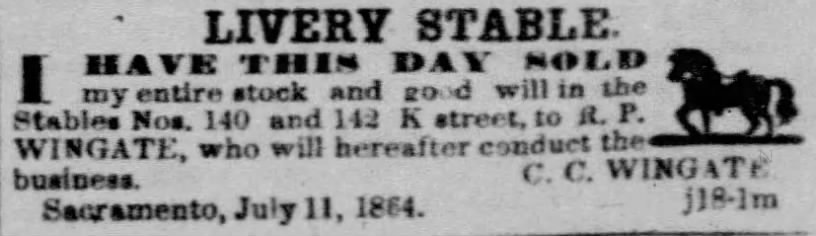 LIVERY STABLE. I HAVE THIS DAY SOLD my entire stock and good will in the Stables No. 140 and 142, to R.P. WINGATE, who will hereafter conduct the business. C.C. WINGATE. Sacramento, July 11, 1864. j18-1m (Sacramento Bee (Sacramento, CA), July 29, 1864).
ESTRAY. CAME TO THE STABLE OF the subscriber, on K, between Fifth and Sixth streets, Tuesday evening, September 13th, a small dark brown horse, about five years old; branded on the left hip with letters resembling “F.A.” A piece of raw hide rope about ten feet long was fastened about the neck. The owner can have the horse by proving property and paying for this advertisement and stabling. R.P. WINGATE. s15-1w (Sacramento Bee (Sacramento, CA), September 15, 1864).
Son Aaron M. Wingate and his sister, presumably, Harriet N. Wingate, arrived in Aurora, NV, by stagecoach, in October 1864.
Arrivals and Departures. ARRIVALS. – By Pioneer Stage – A.M. Wingate and sister, J.S. O’Brion, R.T. Leet, Louis Monaker, A. Sherburn, Jane Williams, T.R. Wells, A.C. Austin, P. Croyle, Wm. Cleft, C.E. Manick, A. Onile, George Hurst, Richard Allman, Benj. Evans, P. Leyba. DEPARTURES – By Pioneer Stage – Mrs. Higgins, T. Pillips, Mrs. Patrick, Mrs. Johnson, D. Mathew, W. Slater, Pat Maguire, O.D. Dungan, J. Keller, Jno. Clark, M. Seligman, E. Aylworth, Andy Wigham, Pat Dolan, J. Michael, T. McBride, Jno. Rowe, Mrs. Fordiskey, A. Bebee, J. Cummings, H. Bowkaskey (Gold Hill Daily News (Gold Hill, NV), October 25, 1864).
Son Aaron M. Wingate was elected as a NV State Assemblyman from Esmeralda County, in 1866.
LEGISLATORS ELECT IN ESMERALDA COUNTY. – The following is a copy of a dispatch received here yesterday by Governor Blasdel: AURORA, Nov. 20, 3.40 P.M. To Governor Blasdel, Carson – B.S. Moson Senator; John S. Mayhugh, A.M. Wingate, Thomas N. Brown, P.V. Poor, Assembly men. J.S. JAMESON. Mason was elected on the Independent ticket over Haskell, regular nominee for the long term. Hon. Lewis Doran was elected without opposition for the short term. Of the above named Assemblymen, Mayhugh and Poor are regulars, Wingate and Brown being Independents. The delegation will be equally divided, therefore, in each house. They are all Union men (Carson Daily Appeal (Carson City, NV), November 21, 1866).
In the third NV state legislature term, son A.M. Wingate, one of four State Assemblymen from Esmeralda County, served on the Counties and County Boundaries Committee, the Elections Committee, and the Trade and Manufactures Committee (Gold Hill Daily News, February 21, 1867).
C.C. WINGATE, appeared in the Sacramento, CA, directory of 1868, as an apparent partner of Paine’s stables, at 140 K street, with his residence at 183 M street, between 6th and 7th streets. He was a native of Maine. CHARLES E. PAINE appeared also, as an apparent partner of Paine’s stables, at 140 K street, with his residence at 183 M street, between 6th and 7th streets.
R.P. Wingate appeared also in the Sacramento, CA, directory of 1868, as a wagon driver for N.L. Drew & Co, at the corner of 2nd and M streets, boarding at 2nd street, between M and N streets. N.L. DREW appeared also as a lumber dealer, at the corner of 2nd and M streets, with his residence at 106 2nd street. He was a native of New Hampshire.
Big Timber – The Sacramento Union of the 10th inst. says: N.L. Drew & Co. received yesterday, per schooner Winfield Scott, 22 pieces of lumber designed for use in the roof of the new State Capitol, which are the largest and heaviest specimens of lumber ever received in Sacramento. They are 12 by 15 inches in size and 85 feet long (Martinez News-Gazette (Martinez, CA), June 13, 1868).
Son John J. Wingate married in Boston, MA, February 4, 1868, Anne E. Davis, he of Portland, ME, and she of Dover, NH. He was a customs house inspector, aged fifty-two years, and she was aged thirty-eight years. Rev. W.B. Wright performed the ceremony. She was born in Dover, NH, circa 1830, daughter of Stephen and Nancy Davis.
MARRIED. In Boston, Feb. 4, by Rev. Wm. B. Wright, John J. Wingate, of Portland, and Miss Anne E. Davis, of Dover, N.H. (Portland Daily Press, February 18, 1868).
Samuel A. Palmer, a merchant, aged forty years (b. Sebec [ME]), headed a Dover, ME, household at the time of the Ninth (1870) Federal Census. His household included Susan W. [((Wingate)] Palmer, keeping house, aged sixty-seven years (b. Sebec [ME]), Sarah E. Palmer, keeping house, aged thirty-six years (b. Sebec [ME]), Augustus Palmer, a day laborer, aged twenty-seven years (b. Dover [ME]), Ira F. Palmer, a day laborer, aged forty-one years (b. Dover [ME]), John Luce, a day laborer, aged twenty-six years (b. Bangor [ME])), and Nancy [((Wingate) Palmer)] Wingate, at home, aged sixty-six years (b. Milton, N.H.). Susan W. Palmer had real estate valued at $400 and personal estate valued at $200. Samuel A. Palmer had personal estate valued at $1,000.
Chas E. Paine, livery stable keeper, aged thirty-seven years (b. ME), headed a Sacramento, CA, household at the time of the Ninth (1870) Federal Census. His household included Elizabeth [(Wingate)] Paine, keeping house, aged thirty-three years (b. ME), Sarah Paine, attends school, aged eight years (b. CA), Chas Paine, attends school, aged seven years (b. CA), Robbie Paine, aged four years (b. CA), Chas Wingate, livery stable keeper, aged fifty-eight years (b. ME), C.C. Wingate, livery stable keeper, aged sixty years (b. ME), Hiram Fralick, works in stable, aged twenty-eight years (b. Canada), and Celia [(Schryver)] Fralick, a servant, aged twenty-eight years (b. Canada). Chas Wingate had real estate valued at $3,000 and personal estate valued at $300. Chas E. Paine had personal estate valued at $1,000.
John Munsell, a farmer, aged sixty-one years (b. VT), headed a Swanton (“Sheldon P.O.”), VT, household at the time of the Ninth (1870) Federal Census. His household included Eliza [(Wingate)] Munsell, keeping house, aged sixty-one years (b. NH), and Wingate Munsell, a music teacher, aged twenty-eight years (b. VT). John Munsell had real estate valued at $5,000 and personal estate valued at $1,500.
William P. Wingate, a city marshal, aged sixty years (b. NH), headed a Bangor, ME, household at the time of the Ninth (1870) Federal Census. His household included Phoebe [(Cook)] Wingate, keeping house, aged fifty-five years (b. MA), Martha Wingate, a school teacher, aged twenty-seven years (b. ME), Ada Wingate, aged twenty-four years (b. ME), Flora Wingate, aged twenty years (b. ME), and Agnes Wingate, aged eighteen years (b. ME).
Geo. W. Wingate, a farmer, aged fifty-one years (b. NH), headed a Sebec, ME, household at the time of the Ninth (1870) Federal Census. His household included Catherine [(Knight)] Wingate, keeping house, aged fifty-six years (b. ME), George E. Wingate, without occupation, aged twenty-seven years (b. ME), Henry C. Wingate, works on farm, aged twenty-two years (b. ME), Hattie E. Wingate, without occupation, aged twenty years (b. ME), and Charlie E. Wingate, attending school, aged fourteen years (b. ME). Geo. W. Wingate had real estate valued at $5,300 and personal estate valued at $2,120. Henry C. Wingate had personal estate valued at $800.
John J. Wingate, a U.S. Customs inspector, aged fifty-four years (b. NH), headed a Portland, ME, household at the time of the Ninth (1870) Federal Census. His household included Ann E. [(Davis)] Wingate, keeping house, aged forty-three years (b. NH). John J. Wingate had real estate valued at $5,000 and personal estate valued at $1,000. They shared a two-family residence with the household of Mary D. Snow, keeping house aged forty-one years (b. ME).
Harriet Wingate, boarding, aged fifty-two years (b. NH), headed a San Francisco, CA, household at the time of the Ninth (1870) Federal Census. Her household included Joseph F. Sholter, works in butcher shop, aged twenty-eight years (b. MA). Joseph F. Sholter had personal estate valued at $500. They shared a three-family residence with the households of [her brother-in-law,] W.A.B. Cobb, an iron moulder, aged fifty-two years (b. ME), and Jesse Stewart, a ship store keeper, aged thirty-three (b. England).
Daniel Wingate, a truckman, aged forty-eight years (b. ME), headed a Bangor, ME, household at the time of the Ninth (1870) Federal Census. His household included Agnes [(Cargill)] Wingate, keeping house, aged thirty-seven years (b. ME), Grace A. Wingate, aged seven years (b. ME), Henry C. Wingate, aged two years (b. ME), Sarah Cargill, a school teacher, aged twenty-eight years (b. ME), and Abbie Merrick, a domestic servant, aged twenty-two years (b. NC).
W.A.B. Cobb, an iron moulder, aged fifty-two years (b. ME), headed a San Francisco, CA, household at the time of the Ninth (1870) Federal Census. His household included Deborah [(Wingate)] Cobb, at home, aged forty-seven years (b. ME), William H.M. Cobb, at school, aged eighteen years (b. ME), and Hattie W. Cobb, at school, aged fifteen years (b. ME). They shared a three-family residence with the households of [his sister-in-law,] Harriet Wingate, boarding, aged fifty-two years (b. NH), and Jesse Stewart, a ship store keeper, aged thirty-three (b. England).
[John] McCarthy, works in livery stable, aged thirty years (b. Ireland), headed a Sacramento, CA, household at the time of the Ninth (1870) Federal Census. His household included Henry Etling, works in livery stable, aged twenty-two years (b. NY), John Kady, works in livery stable, aged twenty-four years (IL), Wm J. Stewart, works in livery stable, aged twenty-three years (NY), and Richd P. Wingate, a teamster, aged forty years (b. ME).
Daughter Susan T. (Wingate) Palmer died in Dover, ME, November 27, 1870, aged sixty-eight years.
DIED. Dover – Nov. 21st, Mrs. Susan W. Palmer, aged sixty-eight years, 6 mos. and 27 days (Sun-Journal (Lewiston, ME), November 28, 1870).
Son George W. Wingate died in Sebec, ME, September 15, 1878, aged sixty-four years, eight months.
Died. In South Sebec, Sept. 16 [15], Mr. Geo. W. Wingate, aged 64 years, and 8 months (Kennebec Journal (Augusta, ME), September 25, 1878).
Son Richard P. Wingate traveled from California back to Maine for a visit for the first time since circa 1853-54.
LOCAL MATTERS. Richard Wingate, Esq., of San Francisco, brother of Hon. Wm. P. Wingate, of this city, recently arrived in town, this being his first visit here for the past twenty-four years (Bangor Daily Whig & Courier (Bangor, ME), October 2, 1878).
Chas. E. Payne, keeping livery stable, aged forty-six years (b. ME), headed a Sacramento, CA, household at the time of the Tenth (1880) Federal Census. His household included his wife, Hannah E. [(Wingate)] Payne, keeping house, aged forty-six years (b. ME), his children, Sarah W. Payne, at home, aged eighteen years (b. CA), Chas. Payne, at school, aged sixteen years (b. CA), Robert Payne, at school, aged fourteen years (b. CA), his father-in-law, Caleb C. Wingert, keeping livery stable, aged seventy-four years (b. NH), his mother-in-law [aunt-in-law], Nancy P. [((Wingate) Palmer)] Wingert, at home, aged seventy-six years (b. NH), and his boarder, Lorna Plante, at school, aged sixteen years (b. CA).
John A. Munsell, a farmer, aged seventy-one years (b. VT), headed a Swanton, VT, household at the time of the Tenth (1880) Federal Census. His household included his wife, Eliza [(Wingate)] Munsell, keeping house, aged seventy-one years (b. VT), his daughter-in-law, Artha Munsell, boarding, aged thirty-one years (b. MA), and his grandchildren, Ella E. Munsell, aged eight years (b. VT), Lottie Munsell, aged five years (b. VT), Hattie Munsell, aged three years (b. VT), and John W. Munsell, aged eleven months (b. VT), and his servant, Martha Cline, a servant, aged fourteen years (b. VT).
William P. Wingate, a street commissioner, aged seventy years (b. NH), headed a Bangor, ME, household at the time of the Tenth (1880) Federal Census. His household included his wife, Pheobe C. [(Cook)] Wingate, aged sixty-four years (b. ME). They resided on State Street.
Day R. Cooper, a clerk in store, aged twenty-one years (b. CA), headed a Sacramento, CA, household at the time of the Tenth (1880) Federal Census. His household included Charles Wingate, a blacksmith, aged sixty [sixty-nine] years (b. ME), and Richard Wingate, works for R.R., aged forty-five years (b. ME). Charles Wingate was divorced.
John J. Wingate, a blacksmith, aged sixty-four years (b. NH), headed a Portland, ME, household at the time of the Tenth (1880) Federal Census. His household included his wife, Anna E. [(Davis)] Wingate, aged fifty years (b. NH). They resided on Franklin Street.
Samuel Richard, a photographer, aged twenty-two years (b. Canada), headed a Carson City, NV, household at the time of the Tenth (1880) Federal Census. His household included Aaron M. Wingate, a watchman at U.S. Mint, aged forty-seven [fifty-nine] years (b. NH), Jacob Veigenolia, a cook, aged thirty-nine years (b. Italy), James R. Smith, a laborer, aged thirty-eight years (b. NY), and Ah Gee, a cook, aged nineteen years (b. China).
Daniel P. Wingate, a truckman, aged fifty-seven years (b. ME), headed a Bangor, ME, household at the time of the Tenth (1880) Federal Census. His household included his wife, Agnes [(Cargill)] Wingate, keeping house, aged forty-eight years (b. ME), Grace A. Wingate, at school, aged seventeen years (b. ME), Harry C. Wingate, at school, aged twelve years (b. ME), and his boarder, Sarah Cargill, aged thirty-eight (b. ME). They resided on State Street.
Wm. A.B. Cobb, a hotel keeper, aged sixty-three years (b. ME, headed a Glenbrook, NV, household at the time of the Tenth (1880) Federal Census. His household included his wife, W.H. [D.H. (Wingate)] Cobb, a housekeeper, aged fifty-five years (b. ME), his son, Wm. H. Cobb, a hotel clerk, aged twenty-seven years (b. ME), his servants, W.P. Crooks, a laborer, aged twenty-six years (b. MA), Ah Fooh, a cook, aged thirty-eight years (b. China), Sam Yat, a cook, aged nineteen (b. China), and Charley Ban, a cook, aged seventeen years (b. China), and his boarders, M.G. Wingate, aged sixty-two years (b. NH), and Otis Gray, a laborer, aged forty-two years (b. ME).
Son Caleb C. Wingate died in Sacramento, CA, April 21, 1881, aged seventy-five years, one month, and twenty-six years.
DIED. WINGATE – In Sacramento, April 21, Caleb C. Wingate, aged 75 years, 1 month, and 26 days (San Francisco Examiner (San Francisco, CA), April 24, 1881).
PENOBSCOT COUNTY. Caleb C. Wingate, brother of Hon. W.P. Wingate of Bangor, died at Sacramento, Cal., April 21. Deceased went to California during the gold excitement of 1849 (Portland Daily Press Portland, ME), May 7, 1881).
PERSONALS. Aaron Wingate, who in the palmy days of Aurora was a prosperous merchant there, and who for many years was an attaché of the Carson Mint, came from below this morning, where he has resided for the last two years. Mr. Wingate is on his way to the Genoa Hot Springs, to endeavor to rid himself of the rheumatism (Reno Gazette-Journal (Reno, NV), July 6, 1883).
PERSONALS. Hon. Aaron Wingate, one of the men who packed the first stock of groceries into Aurora, in 1861, went below Saturday night (Reno Gazette-Journal (Reno, NV), September 29, 1884).
Son Daniel P. Wingate died in Bangor, ME, December 2, 1884, aged sixty-two years.
Obituary. Daniel P. Wingate. Daniel P. Wingate died at his residence at the corner of Maple and State streets, at 5 o’clock last evening, at the age of 62 years and 3 months. Mr. Wingate was born in Piscataquis county, but had been a resident of this city for many years. Mr. Wingate had been in poor health for some time, but the immediate cause of his death was a fractured hip which he received several weeks ago. Since. that time he has been confined to his bed and been gradually failing. He was a contractor and kept many teams. He sprinkled the streets for the citizens until two years when the city assumed this work. Mr. Wingate was an energetic industrious man and a good citizen. He was at one time Street Commissioner and was one of the most satisfactory officials to ever hold that office. He was connected with the different city departments for over 25 years. He was a Republican in politics, but was a conservative, fair-minded man who numbered among his warmest friends many who were of opposite political belief. Four brothers and one sister survive him. Two of the brothers and his sister are in California; Mr. John Wingate lives in Portland, and Hon. William P. Wingate, resides in this city. He leaves a widow and two grown up children, a son and daughter. Mr. Wingate will be missed from this community where he has been an active businessman for so many years. He always gave a great deal of employment to the laboring men and they, with many others, will mourn his death. The funeral services of the late Mr. Wingate will occur to-morrow afternoon, from his late residence (Bangor Daily Commercial (Bangor, ME), December 3, 1884).
Our Own Folks and Other Folks. Mrs. William. A.B. Cobb, and her sister, Miss Harriet Wingate, formerly of Bangor but for the past twenty-two years residents in California, are now on a visit to their friends in the east. They are at present visiting Mrs. D.P. Wingate, 140 State street (Bangor Daily Whig and Courier (Bangor, ME), May 17, 1886).
Son-in-law John A. Munsell died in Highland, VT, August 24, 1888, aged eighty years, and eight months.
Son Richard P. Wingate married in Sacramento, CA, November 22, 1888, Harriet E. Lynn. She was born in Fayette, PA, circa 1845, daughter of John J. and Eliza (Cooper) Lynn.
Son-in-law William A.B. Cobb died in Carson City, NV, March 2, 1889.
Dangerous Attack. The Carson Tribune of the 20th inst. says: About 12 o’clock last night as Mr. Ogden was on his way home, he saw Mr. W.A.B. Cobb staggering up the steps of the Mint building, in which Mr. Cobb has been employed as night watchman, and seeing him fall heavily to the ground, assisted in taking the old gentleman into the hall, where he lay until after 3 o’clock A.M., when he was taken to his residence and Dr. Guion called in. Mr. Cobb was bled and otherwise cared for, but is given up by the doctor (Reno Gazette-Journal (Reno, NV), February 21, 1889).
All Sorts. W.A. Cobb, the father of Mrs. Frank McCullough, was prostrated with a stroke of apoplexy yesterday (Daily Appeal (Carson City, NV), February 21, 1889).
BREVITIES. W.A.B. Cobb, of Carson, is dying (Nevada State Journal (Reno, NV), February 22, 1889).
Death of Major Cobb. Major W.A.B. Cobb, who was suddenly stricken down a few days ago, died at his residence, at Carson yesterday morning about 7 o’clock. Deceased was well known and highly respected in Nevada, having resided in Aurora in its palmy days; at Wadsworth for some years and at Glenbrook Lake Tahoe, where he ran the hotel for several seasons. Deceased leaves a devoted wife, a loving son and daughter, Mr. Henry Cobb and Mrs. Frank McCullough, and other relatives to mourn his loss. The funeral will take place at Carson to-day (Nevada State Journal (Reno, NV, March 3, 1889).
Daughter Eliza C. (Wingate) Munsell died of a stomach disease in Highgate, VT, March 17, 1889, aged eighty-one years, four months, and twelve days.
IN MEMORIAM. Munsell. In Highgate Centre, Aug. 24, 1888, Mr. John A. Munsell of Swanton, aged 80 years and 8 mos. peacefully passed away; and during a five months sickness calmly and resignedly awaited his Maker’s call. Also in Highgate Centre, Jan. 15th, 1889, Wm. W. Munsell, aged 70 years and 1 month, brother of the late John A., after a few months of suffering passed happily over the river, yet first having a vision of his sainted mother, and a welcome hand clasp, which caused his face to glow with happiness, and assure one that “The shores were close together.” Again, in Highgate Centre, March 17, 1989, Mrs. Eliza C. (Wingate) Munsell, aged 81 years and 4 months, widow of the late John A. Munsell, was released from her intense suffering and borne to that realm where pain is unknown, to meet those who had gone before. In the death of these three aged people, who in less than seven months time have passed from our midst, it is fitting there should be more than a passing notice. Mr. John A. Munsell was one of nine children – three brothers and six sisters – all excepting two having crossed the mystic river. Mrs. Eliza C. Munsell was one of 13 children – eight brothers and five sisters, all living to an advanced age, the youngest being over 50 years old before the band was broken by death; three brothers and three sisters now living in California and two brothers in Maine. Mr. and Mrs. Munsell were married in Sebec, Me., Oct. 14th, 1838, by Rev. Rice Munsell, brother of the deceased. journeying at once by overland route to their home in Swanton, where they enjoyed nearly fifty years of happy married life, and were blessed with five children. Two died in childhood; three now living are W.W. Munsell of Swanton, Wm. H. Munsell (dentist) of Wells River, Vt., Mrs. E.O. Rousseau of Highgate Center. The aged couple remained at the “old home” until sickness and age compelled them to seek the kind care of their daughter and son-in-law, as also did Mr. Wm. Munsell, where they all died, and their remains now rest in the cemetery adjoining the church, where for long years they had been devoted members. Thus “They’re gathering homeward from every land, one by one, As their weary feet touch the shining strand, yes, one by one. They rest with the Saviour, they wait their crown, Their travel-stained garments are all laid down: They wait the white raiment the Lord shall prepare For all who the glory with Him shall share. Gathering home, fording the river, one by one, Gathering home, gathering home, yes, one by one” (St. Albans Daily Messenger (St. Albans, VT), April 9, 1889).
PERSONAL. Aaron Wingate and sister Hattie returned from below this morning on their way to Carson (Reno Gazette-Journal (Reno, NV), May 4, 1890).
Daughter-in-law Harriet E. (Lynn) Wingate divorced her husband, Richard P. Wingate, in 1891.
Harriet E. Wingate, by her attorney, J.W. Armstrong, has brought suit for divorce against her husband, Richard P. Wingate (Sacramento Bee (Sacramento, CA), January 22, 1891).
SUPREME COURT CALENDAR. SATURDAY, February 21, 1891. Harriet E. Wingate vs. Richard P. Wingate – Decree of divorce granted (Sacramento Bee, February 21, 1891).
Son Col. Charles D. Wingate died of senility in Sacramento, CA, June 14, 1891, aged seventy-nine years.
Latest Local News. Charles D. Wingate, a resident of Bangor, about half a century ago, died some ten days since in Sacramento, Cal., where he has resided for many years. Mr. Wingate was one of “Argonauts,” having arrived at Sutters Fort in 1849. He had never been east since that time although retaining a interest in this section. He was a brother of Hon. Wm. P. Wingate and John J. Wingate, of this city (Bangor Commercial (Bangor, ME), June 24, 1891)
Daughter-in-law Catherine E. (Knight) Wingate died in Sebec, ME, August 20, 1892.
DIED. Sebec – 20th, Mrs. Catherine Wingate, aged 78 (Lewiston Sun-Journal (Lewiston, ME), August 27, 1892).
OF PERSONAL INTEREST. Mr. W.H.M. Cobb, of Carson City, Nev., is visiting his uncle, Hon. William P. Wingate, on State street (Bangor Commercial (Bangor, ME), September 7, 1892).
Son John J. Wingate died in Bangor, ME, May 4, 1893, aged seventy-seven years.
OBITUARY. Mr. John J. Wingate. At an early hour yesterday morning, Mr. John J. Wingate, one of our old citizens, better known to those living here a generation ago as one of the hustling busy business men and politicians of this city, died suddenly and with slight premonition of the nearness of his end, having been down street among his friends the previous afternoon. He was not feeling well then, but felt better after retiring, awaking toward morning with a severe pain in his side. His brother, Hon. William P. Wingate and a physician were summoned, but he died before the arrival of either. His age was seventy-seven years. He was born in Milton, N.H., and when quite young came with his father and family to Sebec, in Piscataquis county, from which place he later removed to this city, which was his home for many years up to the time of his removal to Portland in 1863. Learning the trade of a blacksmith Mr. Wingate carried on that business with much success and profit for many years, his shop still standing in its old location French street in the rear of the Penobscot Exchange. He later erected the large building at the corner of French and York streets now occupied by John Mason and Staples & Ring as a carriage and paint shop, and where once stood the famous pump and block factory of P.P. Holden. It was in this building was located the club room established by Mr. Wingate, noted under its name of “The Wigwam,” where used to congregate the leading spirits of the day and where matters city government and political action were discussed and oftentimes settled. Mr. Wingate was an old time Whig, an active politician, and in ‘his “Wigwam” were carried on many of the conferences which led to the organization, in this city, of the Republican party. When the news of the firing upon Fort Sumter was received here Mr. Wingate, after consultation with Mr. W.H. Wheeler, then editor of THE WHIG, took a fast team and notified Vice President Hamlin, at Hampden, and Gov. Israel Washburn, at Orono, of the news, bringing both to this city, whence they left on the next morning’s train, the former for Washington and the latter for Augusta, where they entered into the work of the great campaign that followed. He was a member of the City Council from Ward One 1854-5 and 1855-6, and took much interest in city affairs and was particularly interested in the public schools, and at time presenting the Bangor High School with a fine set of terrestrial and astronomical globes. When Abbot Square was purchased the High School house erected thereon obtained permission and set out the beautiful maple trees which adorn the place, many of them afterwards being destroyed by the fire that consumed Hill’s Theatre building on the adjoining lot. This, we believe, was the first attempt made in the line of adornment of school house lots. In 1863 ex-Governor Washburn, who had been appointed Collector of the port of Portland, made Mr. Wingate an Inspector of Customs and since that time, up to within a few years, he made his home in that city. He was married late in life and leaves a widow, but no children. Prayers will be had at his late residence No. 173 State street, this afternoon at four o’clock and his remains will taken to Dover, N.H., for interment (Bangor Daily Whig & Courier, May 4, 1893).
Son Aaron M. Wingate died in Sacramento, CA, October 5, 1894, aged seventy-four years, six months, and twenty-one days.
DIED. WINGATE – In this city, October 5th, Aaron M. Wingate (brother of Nancy P. and Richard P. Wingate, of this city, Harriet N. Wingate and Mrs. D.H. Cobb, of Carson, Nevada, and W.P. Wingate, of Maine), a native of New Hampshire, aged 74 years, 6 months and 21 days. San Francisco papers please copy. Friends and acquaintances are invited to attend the funeral services, which will be held at the residence of his niece, Mrs. C.E. Paine, 1216 Seventh street, Sunday, at 4 P.M. Interment private (Sacramento Bee (Sacramento, CA), October 6, 1894).
Death of a Former Carsonite. News has been received of the death of Aaron Wingate, which occurred in Sacramento on the 6th instant. Deceased was the brother of Mrs. W.A.B. Cobb of Carson and was well known there. For a number of years he was watchman at the mint. Mr. Wingate was unmarried, and leaves, besides Mrs. Cobb, another sister in that city, Miss Harriet Wingate, and a sister, Miss Nancy Wingate, in Sacramento. He was an W. A. Cobb of Verdi, and one of the best of mon (Weekly Gazette & Stockman (Reno, NV), October 11, 1894).
Son William P. Wingate died of heart failure in Bangor, ME, April 5, 1895, aged eighty-five years, five months, and six days. W.L. Hunt signed the death certificate.
 HON. WILLIAM P. WINGATE. Another of Bangor’s Oldest Citizens Responds to the Call of Death. Died in this city, at about 5.30 Friday, April 5, Hon. William P. Wingate. In the death of Mr. Wingate, Bangor loses another of its oldest and most respected citizens, one whose loss will be felt by all. He was a most estimable old gentleman and to know him was to like him. He was 85 years of age and in October last celebrated his 85th anniversary at his home, No. 165 State street, on which occasion very many of the prominent citizens of Bangor and surrounding towns called to pay their respects. Mr. Wingate was born in Milton, N.H., Oct. 30, 1809. In 1822 he moved from New Hampshire to Sebec and in 1826 he came to Bangor and has made the Queen City his home ever since. He built the house in which he died 58 years ago, and all his children were born and married therein. Mr. Wingate has filled many important offices and has been an official that has held the respect and esteem of all who knew or have had dealings with him. He was elected as street commissioner of Bangor in 1856 and off and 0n he has held that position for over 25 years. He was city marshal for one year and made an enviable record while in that office. He has served as collector of the port of Bangor, for over two terms, having been appointed by President Lincoln in 1861 and serving til ’67. Again under the administration of President Grant he filled that important position winning the esteem of all. Mr. Wingate has served with credit in both branches of the city government, being in the council for six years and a member of the board of aldermen for three years. In 1836 [1856] he was a member of the electoral college that nominated Fremont for the presidency. Mr. Wingate was promoter of the Maine State college in Orono, and in fact it is said that it was due almost entirely to his efforts that it was located at Orono. He was trustee of the institution for 16 years and was president of the board for several of them. Wingate hall was named in his honor. Mr. Wingate married Miss Pbœbe Cook, daughter of Capt. Cook, of Newburyport, Mass., 59 years ago. Six children have blessed their union and five of them were present today. The firstborn was a son who died in infancy, the other five were daughters. They are Mrs. W.P. Hubbard, Mrs. F.W. Cram, Mrs. Charles P. Wyman, Mrs. C.F. Bragg, and Mrs. Silas B. Treat, who survive him. When Mr. Wingate came to Bangor as a young man, he became and continued all his life a member of the First Congregational society and has frequently been a member of the parish committee. He was a generous contributor and was a member of the building committee. when the house of worship was reconstructed. For nearly forty years he has been church communicant. Mr. Wingate was a member of the Tarratine Club, where his presence will be sadly missed. Mr. Wingate’s health has been failing for some weeks and the family were warned by the family physician that the action of the heart was not strong and that they mast be prepared for the worst though he did not apprehend any immediate danger. He has been able to be out to ride pleasant days all winter and was out yesterday at noon (Bangor Commercial, April 6, 1895).
Daughter Nancy P. ((Wingate) Palmer) Wingate died of old age in Sacramento, CA, January 4, 1897, aged ninety-two years.
Obituary. Mrs. Nancy Palmer Wingate, who died recently in Sacramento, Cal., at the advanced age of 92 years and 11 months, was a former resident of Bangor, and a sister of the late Hon. William P. Wingate of that city. She was twice married and an unusual combination of names resulted. Before her first marriage her name was Nancy Palmer Wingate, and she married a Mr. Palmer, making her name Nancy Palmer Wingate Palmer. Upon his death she afterwards married a Mr. Wingate, making her name Nancy Palmer Wingate Palmer Wingate. Neither of her husbands, although having the same family name, was a relative before marriage (Republican Journal (Belfast, ME), February 11, 1897).
Daughter-in-law Phoebe (Cook) Wingate died of old age in Bangor, ME, August 25, 1897, aged eighty-three years, two months, and thirteen days. She was a widow. D. Hennessey signed the death certificate.
BURIAL OF MRS. WINGATE. Memorial Services Held on Friday Afternoon – Brief Sketch of Her Life. The death of Mrs. Phebe Cook Wingate, widow of Hon. William P. Wingate, which occurred on Wednesday morning, Aug. 25, removes another link from the chain which connects the present with the earlier days of Bangor. Mrs. Wingate came to Bangor, a bride, 61 years ago from Newburyport, a journey which then, required more days than it now does hours overland, while by water, the more common mode of travel in those days, it required from one to three or four weeks, Mrs. Wingate lived in the same house to which she then came, down to the day of her death, 59 years of the time with her husband whom she survived only two years. Here her six children were born – the eldest of whom, a son, died in infancy – and there her five daughters who survive her grew up and were married. Four of her daughters, married to well known citizens of Bangor, have always lived near her, and scarcely a day has passed in which one or more or all of then have not been at the old homestead. The youngest daughter, whose husband died some years ago, has for several years made her, home with her parents, and it has been her privilege to bring brightness and cheer into the declining years of both her parents, to whom her presence has been well nigh indispensable. Mrs. Wingate united, by letter, soon after coming to Bangor with the First Congregational church then under the pastorate of the Rev. Dr. S. L. Pomroy, and continued her loyalty to it to the last. Many of the older members of the church and congregation recall with pleasure her many years of service, in her earlier years as a member of the choir. Her life was so largely absorbed in the care of her large family that she had comparatively little time for other objects of interest. She was, however, for many years a member of the board of managers of the Children’s Home. For several months her health has been declining though she has been able to ride out every a pleasant day till about week ago, and she was confined to her bed only four days. Her end was quiet, painless and peaceful. Memorial services were held at the late residence Friday afternoon. Rev. Charles Cutler, pastor of the First Congregational church, officiated. The bearers were: Messrs. H.H. Fogg, Charles E. Bliss, Joseph F. Snow, and B.B. Thatcher. A quartette composed of Mrs. W.L. Bragg, Mrs. W.A. Nelson, Mr. W.A. Gordon and Mr. S.H. Boardman sang several selections. The sera vices were under the direction of Mr. James H. Crosby (Bangor Commercial (Bangor, ME), August 27, 1897).
Son Richard P. Wingate died in Napa, CA, July 13, 1898, aged seventy-one years, and twenty-seven days.
DIED. WINGATE – In Napa, California, July 13, 1898, Richard P. Wingate, brother of Miss H.N. Wingate and Mrs. D.H. Cobb of Carson, Nevada, a native of Maine, aged 71 years and 27 days. Friends and acquaintances are respectfully invited to attend the funeral Friday, at 2 p.m. from the residence of his niece, Mrs. C.E. Paine, 1216 Seventh Street. Interment City Cemetery (Sacramento Bee 9Sacramento, CA), July 14, 1898).
Anne E. [(Davis)] Wingate, a widow, aged seventy-one years (b. NH), headed a Bangor, ME, household at the time of the Twelfth (1900) Federal Census. She rented her house on State Street.
Deborah [(Wingate)] Cobb, aged seventy-five years (b. ME), headed a Carson City, NV, household at the time of the Twelfth (1900) Federal Census. Her household included her sister, Harriet N. Wingate, aged eighty-two years (b. NH), and her roomer, Jenny Hambelton, no aged stated (b. OH). Deborah Cobb was the mother of two children, of whom one was still living. She owned their house on Seventh Street, free-and-clear.
Daughter Harriet Newell Wingate died in Carson City, NV, September 30, 1906, aged eighty-eight years.
PIONEER MAIDEN LADY DEAD. Last evening Miss Harriet Wingate died at the residence of her sister, Mrs. Deborah Cobb, in the southern part of town. Miss Wingate has been an invalid for a number of years but had gradually been growing worse for the last three months. She was born in Milton, Massachusetts [New Hampshire], March 26, 1818, and was therefore 88 years of age. Miss Wingate came to this city with her sister in 1875 and has resided here continuously ever since, with the exception of the few years the family spent in Glenbrook. Before her illness she enjoyed life and was never happier than when surrounded by young people, whose gayety and exuberant spirits always amused and delighter her. She resembled a character from a story book and one often wondered what romance was hidden in the chapters of her life story, for she was a romantic old lady, keenly interested in the affairs of the young friends about her and always ready to listen to their troubles as well as their joys. To all these she was known as “Aunt Hattie” and she will ever be affectionately remembered by that title. Miss Wingate leaves to mourn her loss a sister, Mrs. Deborah Cobb, a niece. Miss Sadie Paine, and a nephew, Charles Paine of Sacramento, and a grandnephew, Frank McCullough, Jr., of Hobart Mills. The funeral will take place Wednesday afternoon from the Cobb residence (Daily Appeal (Carson City, NV), October 1, 1906).
Daughter-in-law Anne E. (Davis) Wingate died in Bangor, ME, January 27, 1908.
DIED. WINGATE – In Bangor, Jan. 27, Mrs. Anna E., widow of John J. Wingate. Funeral to be announced (Bangor Daily News, January 28, 1908).
DEATHS AND FUNERALS. The funeral services of the late Mrs. John J. Wingate were held at the residence, State street, Wednesday. The remains were taken to Dover, N.H., for burial. Rev. Charles H. Cutler officiated (Bangor Daily News, January 30, 1908).
Deborah H. [(Wingate)] Cobb, own income, aged eighty-five years (b. ME), headed a Carson City, NV household at the time of the Thirteenth (1910) Federal Census. She was a widow, whose marriage had taken place sixty years earlier. She was the mother of three children. Deborah H. Cobb owned her house, free-and-clear. She shared a four-family residence with the {rented] households of Frank J. McCullough, own income, aged seventy-two years (b. OH), Cornelius B. Howard, a box maker, aged thirty-one years (b. IN), and August Homan, a common laborer, aged twenty-two years (b. Germany). Homan was an alien, whom had immigrated in 1904.
Harry C. Wingate, a lawyer (general practice), aged forty-two years (b. ME), headed a Brooklyn, NY, household at the time of the Thirteenth (1910) Federal Census. His household included his mother, Agnes [(Cargill)] Wingate, a widow, aged seventy-six years (b. ME). Harry C. Wingate rented their apartment at 1462 Bedford Avenue. She was the mother of one child, of whom one was still living.
Daughter-in-law Agnes (Cargill) Wingate died in New York, NY, December 12, 1911, aged seventy-nine years.
Mrs. Agnes Wingate. Mrs. Agnes Wingate, nee Cardwell [Cargill]. the widow of Daniel P. Wingate, died Tuesday at her residence, 1,452 Bedford avenue, her death being caused by old age after a long illness. She was a native of Maine, and was born near Bangor seventy-nine years ago. She lived in Bangor many years, and was long an active worker for the First Congregational Church of that city. She had lived in Brooklyn fifteen years. She is survived by her son, Harry Wingate, a lawyer, of 132 Nassau street, Manhattan. who is well-known in Republican politics in the Twenty-fourth Ward, and two sisters, Mrs. George Board, of Tacoma, Wash., and Miss Sarah Cardwell, of Los Angeles, Cal. Mrs. Wingate was a member of the Central Congregational Church, the pastor of which, the Rev. Dr. S. Parkes Cadman, conducted the services this afternoon. The interment will be at Bangor (Brooklyn Daily Times, December 14, 1911).
Daughter Deborah H. (Wingate) Cobb died of chronic bronchitis in Carson City, NV, November 8, 1915, aged ninety-one years. S.S. Jarrett, M.D., signed the death certificate.
Aged Pioneer Crosses Divide. Mrs. Deborah Hayes Cobb, who had been quite ill for some time, died last night about 11 o’clock at her home in this city. Mrs. Cobb was one of the pioneers in Nevada, having come to this state in the early fifties. For some time she resided at Bodie, later on in Aurora, and was connected with the Railroad hotel at Wadsworth, also the hotel at Glenbrook and later, what is now known as the Park hotel in this city. Mrs. Cobb was the widow of the late William A. Cobb, and was 91 years of age, having been born on October 9, 1824, and is survived by two grandsons, W.W. Taft of Fresno, Cal., and Frank J. McCullough of Portola, Cal. The funeral will take place tomorrow, Wednesday, afternoon from the home of the deceased (Daily Appeal (Carson City, NV), November 9, 1915).
References.
Find a Grave. (2015, August 1). Deborah H. (Wingate) Cobb. Retrieved from www.findagrave.com/memorial/150072179/deborah_hayes-cobb
Find a Grave. (2007, November 25). Susan Twombly Wingate Palmer. Retrieved from www.findagrave.com/memorial/23100570/susan_twombly-palmer
Find a Grave. (2005, June 10). Aaron M. Wingate. Retrieved from www.findagrave.com/memorial/11138950/aaron_m-wingate
Find a Grave. (2011, November 9). Amos T. Wingate. Retrieved from www.findagrave.com/memorial/80160321/amos-t-wingate
Find a Grave. (2011, November 9). Caleb Wingate. Retrieved from www.findagrave.com/memorial/80159767/caleb-wingate
Find a Grave. (2005, June 10). Caleb Cushing Wingate. Retrieved from www.findagrave.com/memorial/11138942/caleb_cushing-wingate
Find a Grave. (2005, June 10). Charles Dilamore “Charlie” Wingate. Retrieved from www.findagrave.com/memorial/11138947/charles_dilamore-wingate
Find a Grave. (2010, September 8). Daniel P. Wingate. Retrieved from www.findagrave.com/memorial/58401510/daniel_p-wingate
Find a Grave. (2010, February 13). Frederick Wingate. Retrieved from www.findagrave.com/memorial/48086316/frederick-wingate
Find a Grave. (2011, November 8). George W. Wingate. Retrieved from www.findagrave.com/memorial/80102278/george-w.-wingate
Find a Grave. (2016, September 30). Harriet N. “Aunt Hattie” Wingate. Retrieved from www.findagrave.com/memorial/170737099/harriet_n-wingate
Find a Grave. (2005, June 10). Nancy Palmer Wingate Wingate. Retrieved from www.findagrave.com/memorial/11138953/nancy-palmer-wingate
Find a Grave. (2005, June 10). Richard P. Wingate. Retrieved from www.findagrave.com/memorial/11139056/richard_p-wingate
Find a Grave. (2013, October 23). William Palmer Wingate. Retrieved from www.findagrave.com/memorial/119180109/william_palmer-wingate
NV Historical Society. (1990). NV Historical Society Quarterly, Volumes 33-34. Nevada.
Scales, John. (1914). History of Strafford County, New Hampshire and Representative Citizens. Retrieved from books.google.com/books?id=nGsjAQAAMAAJ&pg=PA509
Toogood, Anna C. (May 1978). Whiskeytown. Retrieved from npshistory.com/publications/whis/hrs.pdf
Western Mining History. (2003). Aurora, Nevada. Retrieved from westernmininghistory.com/towns/nevada/aurora/
Wikipedia. (2025, January 5). Aurora, Nevada. Retrieved from en.wikipedia.org/wiki/Aurora,_Nevada
Wikipedia. (2025, March 11). Sebec, Maine. Retrieved from en.wikipedia.org/wiki/Sebec,_Maine
Wikipedia. (2025, May 4). Sutter’s Mill. Retrieved from en.wikipedia.org/wiki/Sutter%27s_Mill

 Peltiah Hanscom signed the Rochester division petition of May 28, 1802.
 Pelah Hanscom was among those that petitioned the NH General Court, in or around June 1814, seeking incorporation of the Milton Congregational Society. (See Milton Congregational Society Petition – 1814).
 Pelah Hanscom signed the Milton anti-division remonstrance of June 1820. He signed also the Milton militia division petition of November 1820. (See Milton Militia Dispute – 1820).
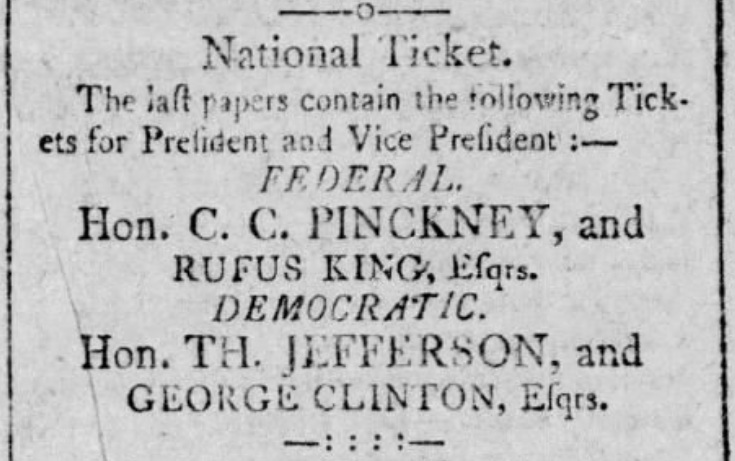
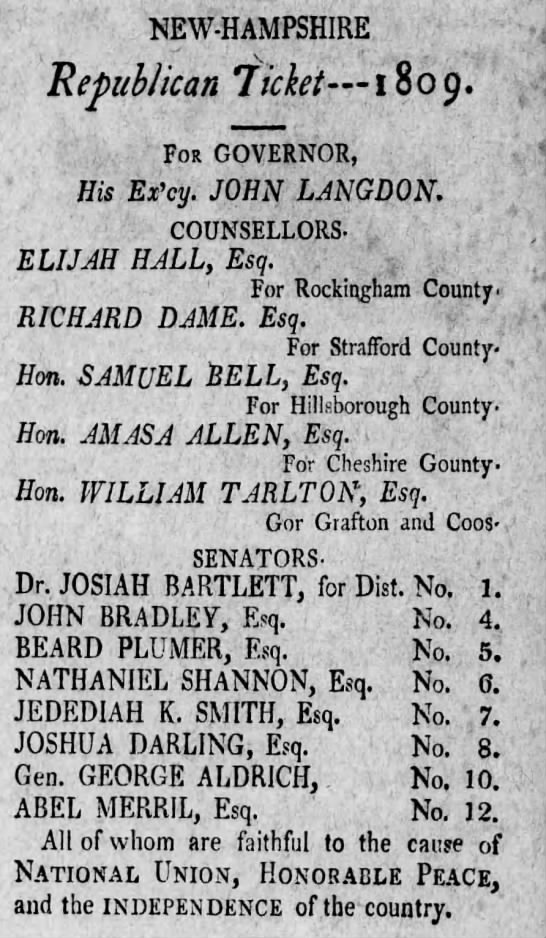
 Milton gave 57 votes [62.0%] for the electoral college electors pledged to anti-Jackson Democrat-Republican John Quincy Adams in the Presidential election of November 1824. The Federalist party had by this time dissolved and the four contestants represented – or were supported by – four differing factions of the Democrat-Republican party. They were Andrew Jackson, John Quincy Adams, Henry Clay and William H. Crawford. The electoral college results were inconclusive and a contingent election took place instead in the US House of Representatives, which selected John Quincy Adams.
 The U.S. Post Office Department appointed
  William Jones was among the three hundred ten Rochester inhabitants that petitioned the NH legislature, August 30, 1785, seeking repeal of an act requiring milled boards to be square-edged and an inch thick (and other lumber in proportion). Those inhabitants described themselves then as being “largely Concerned in Lumber.” They sought also repeal of an act forbidding transport of lumber to the British West Indies, and seeking the issuance of a new paper money (Hammond, 1884). (See
  William Jones signed the
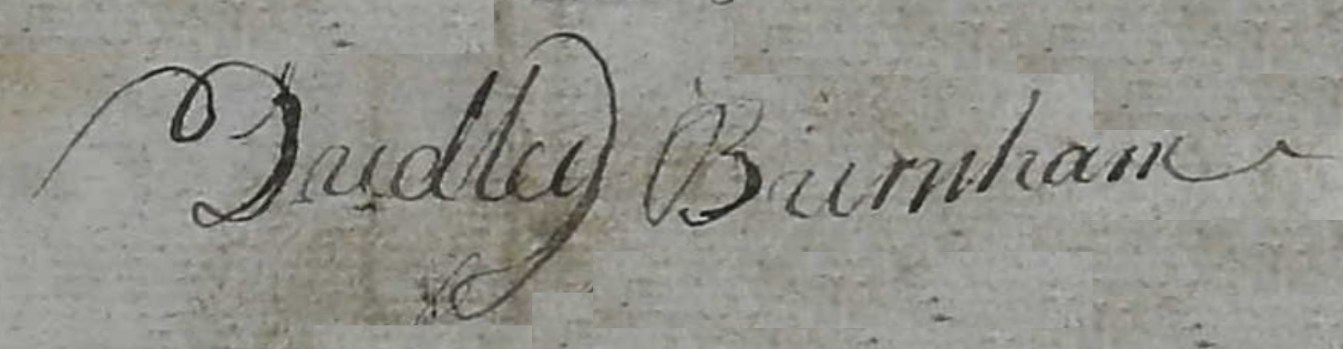 Dudley Burnham signed the
  That in 1778 in the month of October or November he enlisted as a marine on board the U.S. the Ranger, then under the Command of Capt. Thomas Simpson. That it was then at Portsmouth, N.H. Some time [in] his said engagement, the ship’s crew being completed, she sailed on a cruise with the Frigate Warren and Sloop of War Queen of France, all in Company under a Commodore whose name is not now recollected by him. That during said cruise they took a British privateer and [did] sail out of
  Father-in-law (and stepfather) Wentworth Hayes was among the three hundred ten Rochester inhabitants that petitioned the NH legislature, August 30, 1785, seeking repeal of an act requiring milled boards to be square-edged and an inch thick (and other lumber in proportion). Those inhabitants described themselves then as being “largely Concerned in Lumber.” They sought also repeal of an act forbidding transport of lumber to the British West Indies, and seeking the issuance of a new paper money (Hammond, 1884). (See
 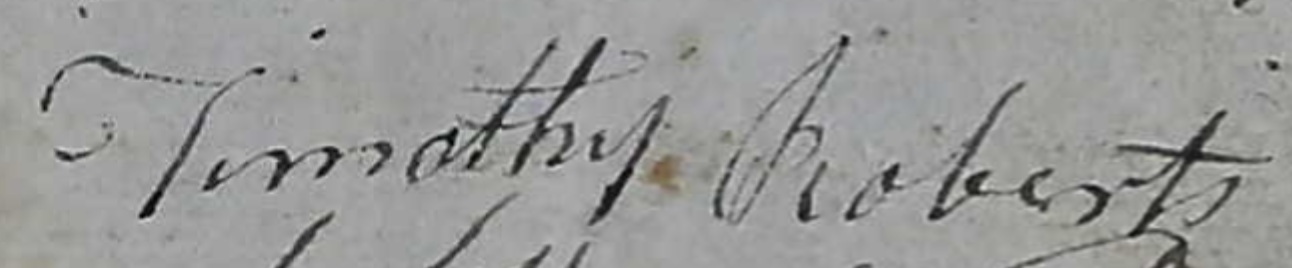 Timothy Roberts signed the
  Timo Roberts signed the April 1820 petition requesting the appointment of his son,
  Timothy Roberts, aged seventy-five years, had been a Private in the NH militia. He had been placed on the Strafford County Revolutionary War pension roll, March 4, 1831, at the annual rate of $26.66, and had accrued $79.98 (by January 18, 1833).

 Milton Observer